A Paper Map, a Pencil, and a Better Day Trip
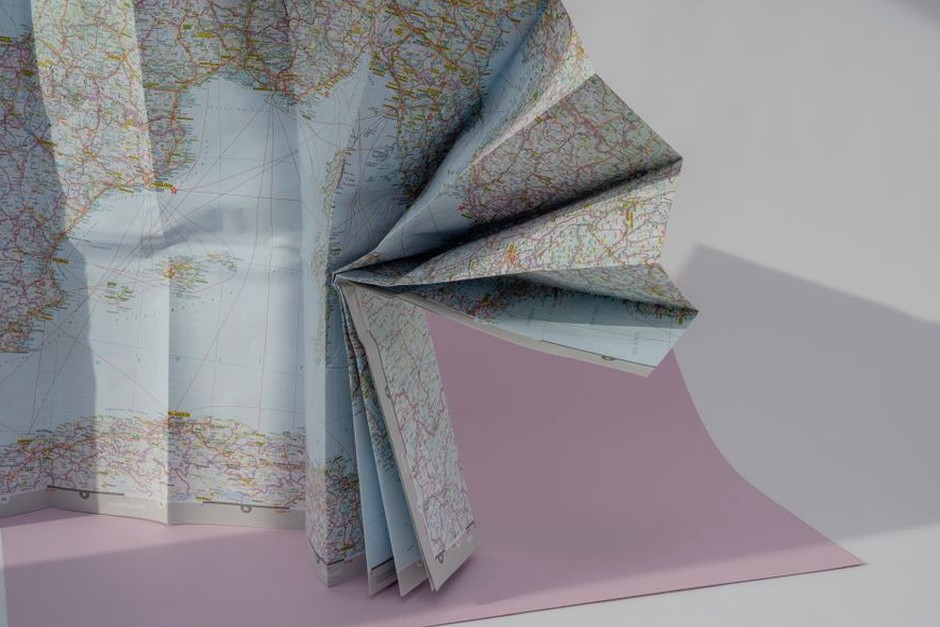
There is something pleasantly finite about planning a day trip on paper. A phone can suggest hundreds of places at once, recalculate every turn and keep adding options long after the day has begun. A folded map asks for less. It shows the shape of an area, the distance between towns and the roads that connect them, then leaves the rest to you. For a short journey, that limitation can be useful.
The goal is not to reject digital tools. It is to give the day a simple backbone before leaving home. A map, a pencil and a few notes can turn an overfilled itinerary into a loose route that still has room for a long lunch, an unexpected footpath or a village you did not plan to visit.
Start with one anchor, not ten attractions
Choose a single reason for going: a coastal walk, a market, a garden, a small museum, a café in a nearby town or simply a road you have wanted to follow. Mark that place first. Then look at what sits naturally on the way rather than building a route from a list of unrelated recommendations.
This changes the rhythm immediately. Instead of racing between “must-see” points, you have one destination and a handful of possible additions. A bakery on the route becomes a breakfast option. A lake two miles away becomes a possible afternoon stop. Nothing needs to happen for the day to feel complete.
Draw the day in broad strokes
Use three kinds of marks: a circle for the main stop, a small dot for optional places, and a simple line for a walking section. Keep the number of dots low. Three or four possibilities are usually enough for a day trip because every stop takes longer than its map symbol suggests once parking, wandering, ordering food and looking around are included.
It also helps to write approximate travel times in the margin rather than exact appointment times. “About forty minutes” creates useful context. “Arrive 10:35” can make a leisure day feel like a timetable.
Leave a blank hour on purpose
The most memorable part of a short trip is often the unplanned middle. It might be sitting on a wall with coffee, browsing a second-hand bookshop, taking a slower road home or following a sign to a viewpoint. If every hour has a task, those moments become interruptions rather than part of the day.
A blank hour also absorbs ordinary delays. If lunch takes longer or traffic slows, nothing has “gone wrong”. The route still works because it was never balanced on minute-by-minute precision.
Use your phone as a tool, not the itinerary
Digital navigation is excellent for checking live traffic, finding the entrance to a car park or confirming opening hours. The trick is to use it for specific questions instead of repeatedly asking it what to do next. Once the broad route is on paper, the phone can stay in a supporting role.
Before leaving, it is worth checking only the details that can genuinely change the day: opening times, seasonal closures, public transport changes and weather. After that, the paper map can handle the shape of the journey while digital tools handle the moving parts.
Make a small record while you are out
A paper map becomes more interesting after it has been used. Add a star beside the café you liked, note a viewpoint worth returning to, or draw a line along a footpath that was better than expected. These annotations are useful later because they reflect your own experience rather than a generic ranking.
Over time, a stack of marked-up maps becomes a personal index of nearby places. You begin to see which roads are good in spring, which towns are quiet on weekday mornings and which short walks pair well with a particular lunch stop.
A day trip does not need to be optimized to be satisfying. In fact, a little less information can make it easier to notice where you are. One map, one anchor and a few pencilled possibilities are often enough to create a day with direction but without pressure.