Photographing Rain: Finding Texture on an Ordinary Afternoon
Rain changes familiar places in quiet ways. Pavement becomes reflective, colours deepen, windows gather patterns and ordinary objects develop highlights along their edges. None of this requires a dramatic storm or a distant landscape. A wet afternoon close to home can be enough for a satisfying photography exercise.
The useful shift is to stop thinking of rain as the subject. Instead, treat it as a condition that changes surfaces, light and movement. The photograph might be about a gutter, a red umbrella, a row of leaves or the glow of a shop window on wet pavement.
Look for surfaces that react to water
Some materials become far more interesting when wet. Stone shows richer colour. Metal catches small points of light. Glass layers reflections over whatever sits behind it. Leaves become glossy and darker. Start by noticing these changes before deciding what to photograph.
Close framing works well here. A photograph does not need to explain the whole street. A small area of texture can carry the atmosphere more clearly than a wide scene full of competing details.
Use reflections as a second frame
Puddles are useful, but they are not the only reflective surfaces available. Car roofs, windows, polished tables under awnings and wet paving stones can all hold fragments of the surroundings. Move a few steps and the reflection changes completely.
Try placing the reflected subject near the edge rather than in the centre. A street sign or tree appearing only partly in a wet surface can make the image feel discovered rather than arranged.
Let movement stay visible
Rain has motion, and photographs do not always need to freeze it. If your camera or phone allows control over shutter speed, experiment with slightly slower exposures while keeping the device steady. Falling water may turn into short streaks, while people and traffic retain enough shape to keep the scene recognizable.
On a phone, the same idea can be approached by shooting a short burst and choosing the frame where movement feels most natural. The aim is not technical perfection; it is to keep some sense that the weather is moving through the scene.
Find shelter and work from one spot
You do not need to walk around in heavy rain to make useful photographs. A doorway, covered market, bus shelter or café window can become a fixed observation point. Stay there for ten minutes and watch how the scene changes as people pass through it.
Working from one position is a good composition exercise. Because you cannot solve the image by moving constantly, you begin to pay closer attention to timing, layers and where subjects enter and leave the frame.
Protect the camera, keep the routine simple
A small cloth for the lens and a bag with some weather protection are usually more helpful than complicated gear. If conditions are too wet for the equipment you have, photograph from under cover or through a window. The exercise should stay comfortable enough that you continue looking.
Wipe the lens often. A single drop can create a soft flare across the image, which can be attractive when intentional but frustrating when it appears in every frame.
Edit for atmosphere, not drama
Rainy scenes often already contain subdued colour and soft contrast. Heavy editing can remove the quality that made the weather interesting in the first place. Try modest adjustments: straighten the frame, recover a little highlight detail and decide whether the shadows should stay deep.
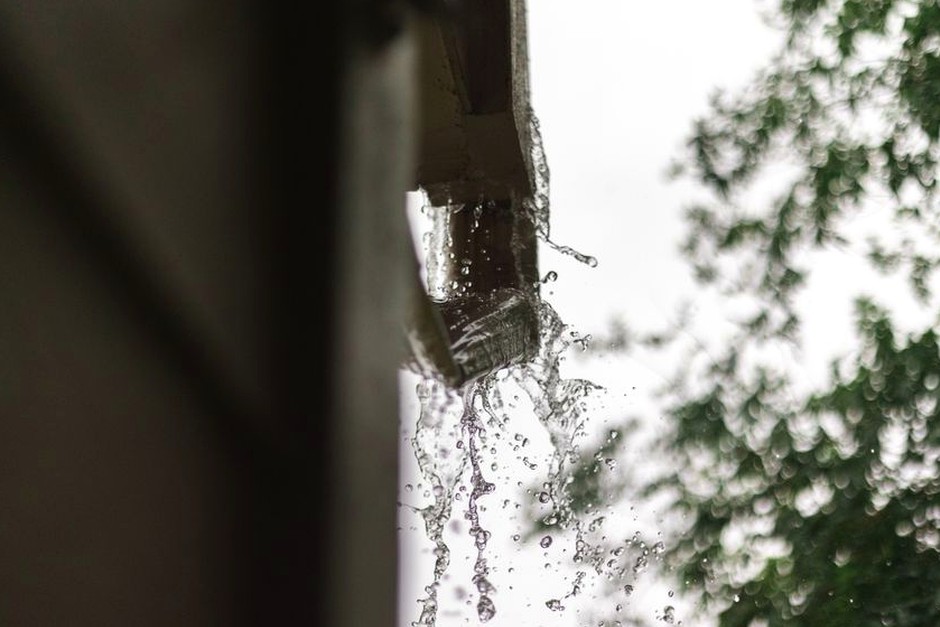
When reviewing the photographs, look for the frames that make an ordinary place feel newly observed. That might be a bright vegetable crate under a grey sky, water breaking from a roof edge or a person waiting beneath an umbrella. The value of a rainy-day photo walk is not that the weather guarantees dramatic pictures. It is that it teaches you to notice how much a familiar scene can change when the light, surfaces and pace of the street shift for an afternoon.