A Seasonal Wardrobe Rotation Without the Big Clear-Out
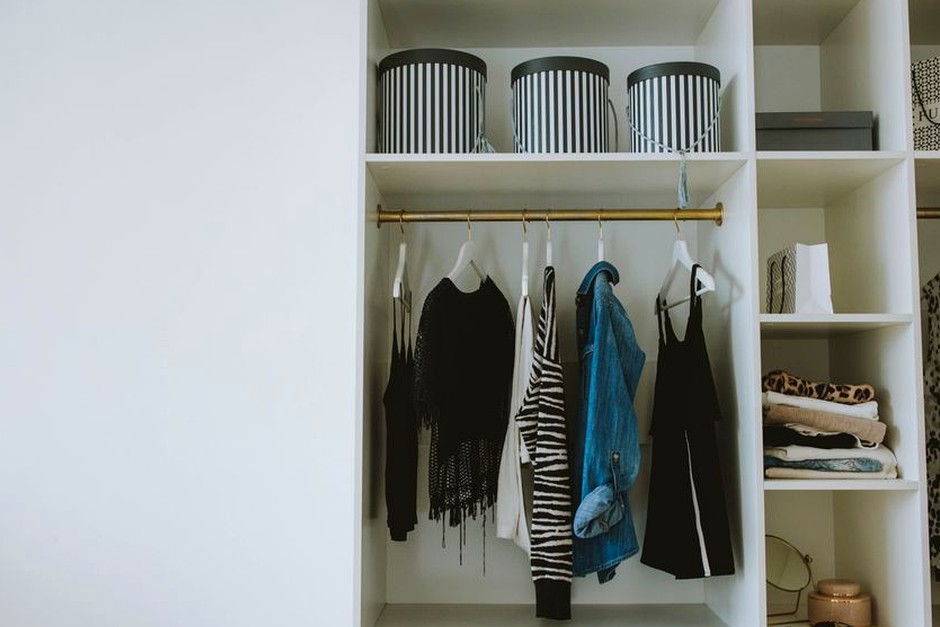
The change between warm and cool weather is a good time to look at a wardrobe, but it does not have to become a major decluttering project. The most useful question is often not “What should I get rid of?” but “What do I want easy access to for the next few months?”
A seasonal rotation treats storage as a practical system rather than a verdict on every item you own. Clothes can move forward, move back, rest for a season or leave entirely. That softer approach makes it easier to finish the job and more likely that the wardrobe will still make sense a month later.
Begin with the clothes already in use
Before taking everything out, notice what has been worn during the past two weeks. Those items form the real core of the wardrobe. Keep them visible and accessible while you work. This prevents a common problem: organizing by category so thoroughly that the clothes you actually reach for end up buried behind the neat system.
Next, gather the pieces that clearly belong to the outgoing season. Lightweight holiday clothes, very warm-weather shoes or heavy winter layers can be moved without much debate when the weather has changed enough.
Create a “later” zone
Some clothes are difficult to place because they are neither current favourites nor obvious departures. Instead of forcing a decision, give them a small, defined storage zone. A box on a high shelf or one section of a spare rail is enough.
The important detail is that the area stays limited. If the “later” zone fills up, something has to move out before more can go in. This keeps indecision from quietly becoming a second wardrobe.
Rotate by function, not only by season
Weather is only part of the picture. Daily life changes too. A month with more walking may bring trainers and practical outerwear forward. A run of events may make smarter layers more useful. If you work from home more often, comfortable knitwear might deserve the easiest shelf.
Thinking in terms of function creates a wardrobe that reflects the life being lived now. It also helps explain why a technically “seasonal” item can still be irrelevant for months at a time.
Use the first cold morning as a test
Do not try to predict the entire season in one afternoon. The first genuinely cold or wet day will reveal gaps more accurately than a shopping list made in advance. You may discover that last year’s coat still works perfectly, but the gloves are missing. Or that the knitwear you expected to wear feels too heavy indoors.
Waiting for real conditions reduces unnecessary purchases and keeps the rotation grounded in use rather than aspiration.
Repair before replacing
A seasonal change is a convenient moment to notice small repairs: a loose button, a hem that has dropped, shoes that need cleaning, knitwear that needs de-pilling. Put repair items in one visible place and deal with a few at a time.
This is different from keeping damaged clothes indefinitely. The repair pile should be small enough to finish. If an item has waited through several rotations without being fixed, that is useful information about how much you value it.
Leave breathing room
A wardrobe is easier to use when hangers slide and shelves are not packed to their edges. Empty space is not wasted storage; it is what makes the system readable. You can see combinations, put clean clothes away quickly and notice when something has been unworn for a long time.
The rotation is finished when the next week of dressing looks easy, not when every possession has been judged. That is the advantage of a seasonal approach. It is smaller, more forgiving and closely connected to everyday routines. A few well-placed changes can make the whole wardrobe feel new without requiring a dramatic clear-out.